
Bridges
Replaceing missing teeth with Bridges
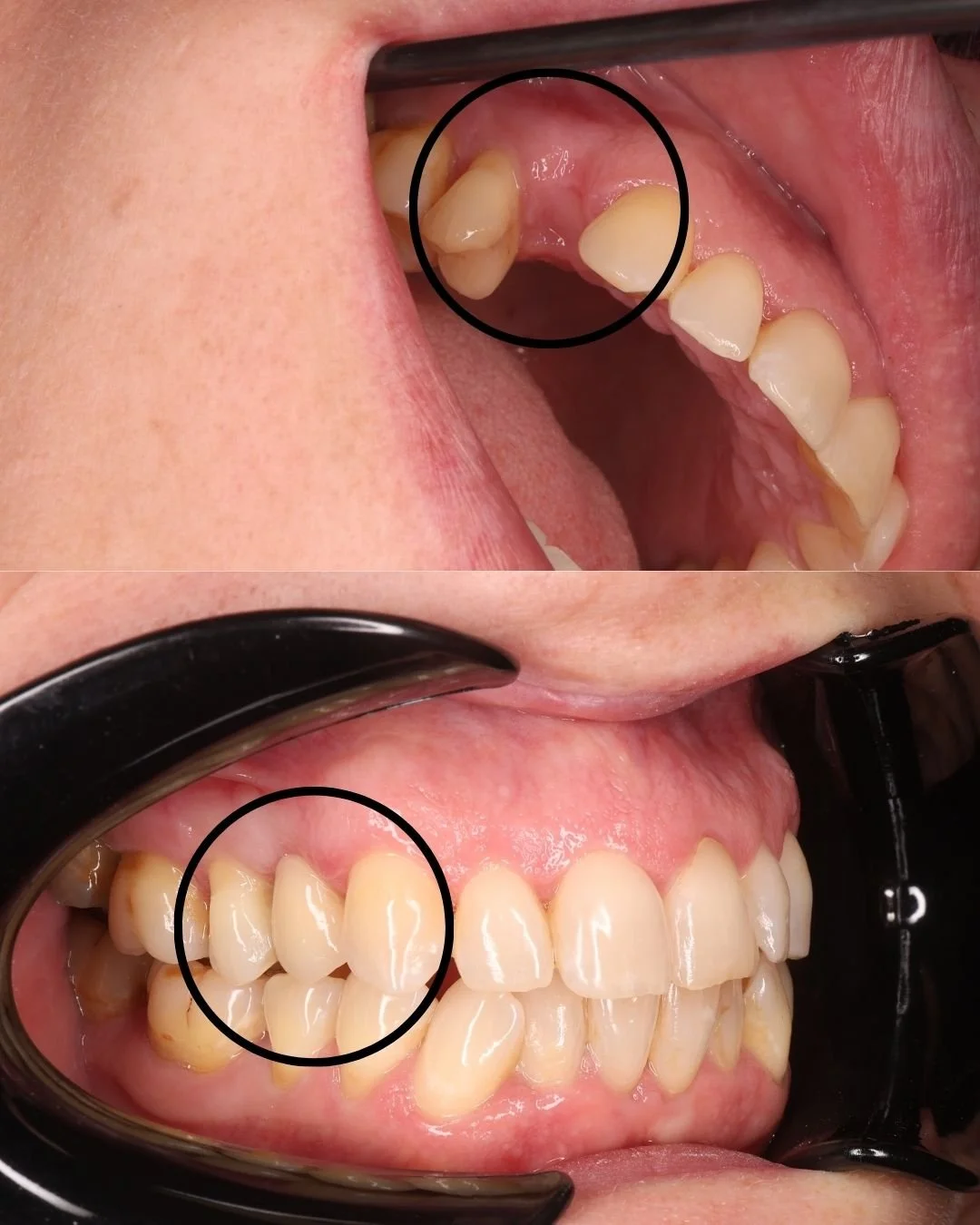
Dental bridges are fixed dental restorations used to replace one or more missing teeth. They literally “bridge” the gap created by missing teeth by anchoring an artificial tooth (or teeth) to the natural teeth or implants on either side.
Types of dental bridges
Traditional bridge: Most common. Uses crowns on both sides of the gap
Cantilever bridge: Supported on only one side (used less often)
Maryland bridge: Uses a metal or ceramic “wing” bonded to the back of nearby teeth
Implant-supported bridge: Anchored by dental implants instead of natural teeth
Benefits
Restores your smile and appearance
Helps with chewing and speaking
Prevents surrounding teeth from shifting out of position
Maintains face shape
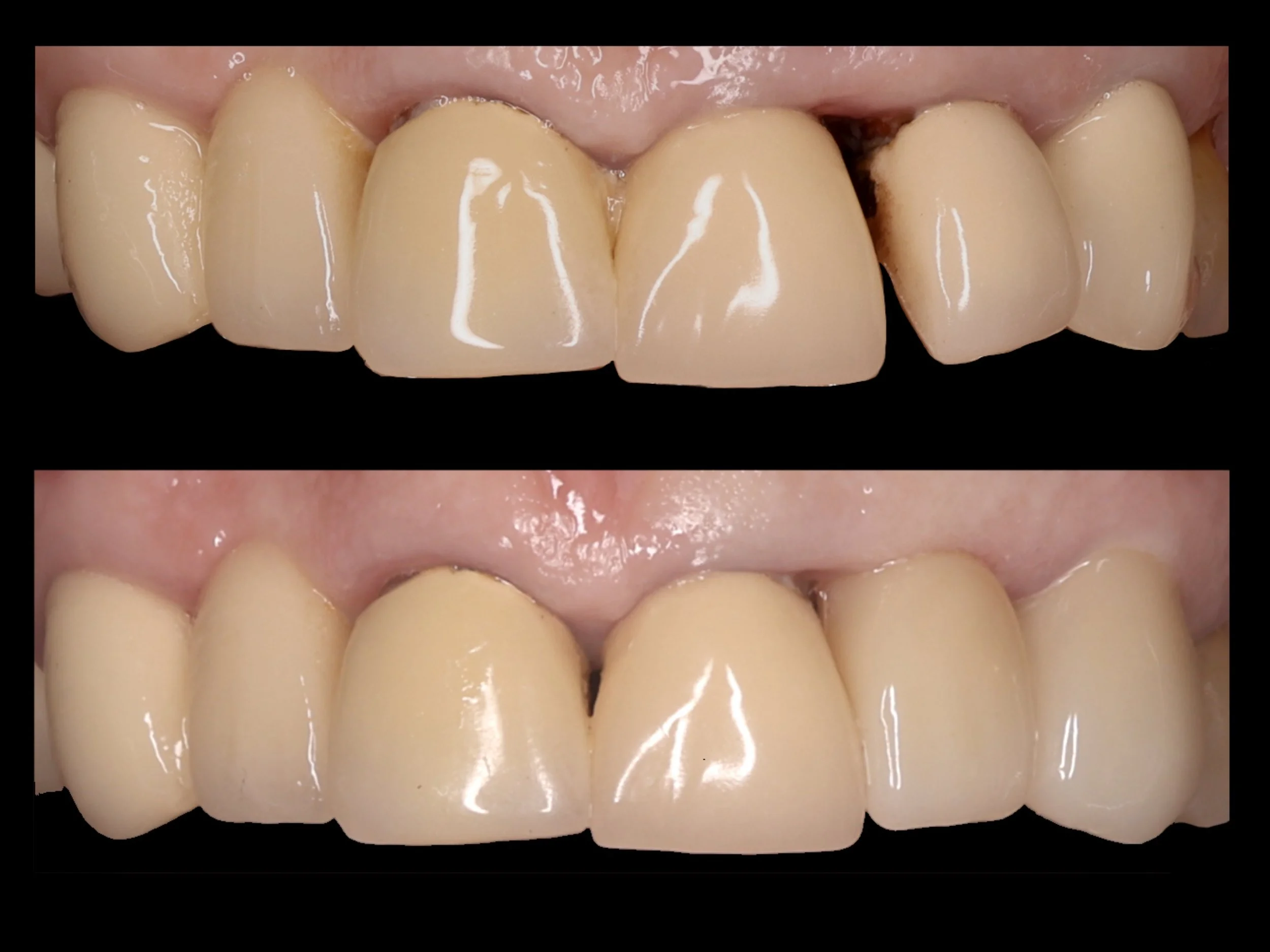
Things to consider
May require minimal preparation of nearby teeth (unless implant-supported)
Needs good oral hygiene to last long-term
Typically lasts 5–15 years depending on care and materials
Bridge vs other options
Dental implants: Longer-lasting, don’t affect adjacent teeth, but more expensive and involve surgery
Dentures: Removable and cheaper, but less stable