01
Diagnose
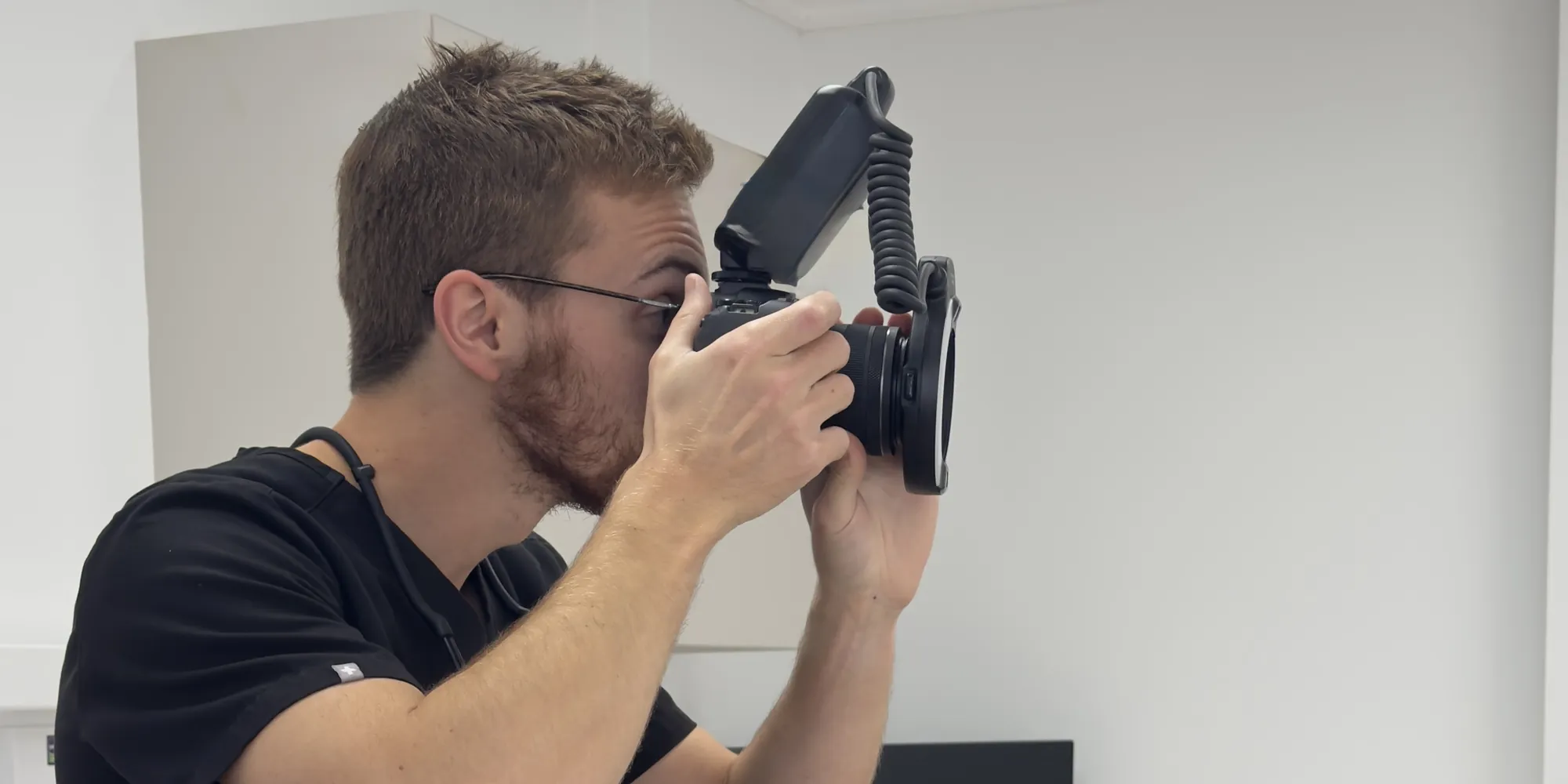
We examine your teeth, bite and jaw, take photos and scans, and find out what is causing the wear.
Restorative dentistry · Tooth wear
Tooth wear is one of our special interests. We find the cause, protect what you have and rebuild your teeth as conservatively as possible.
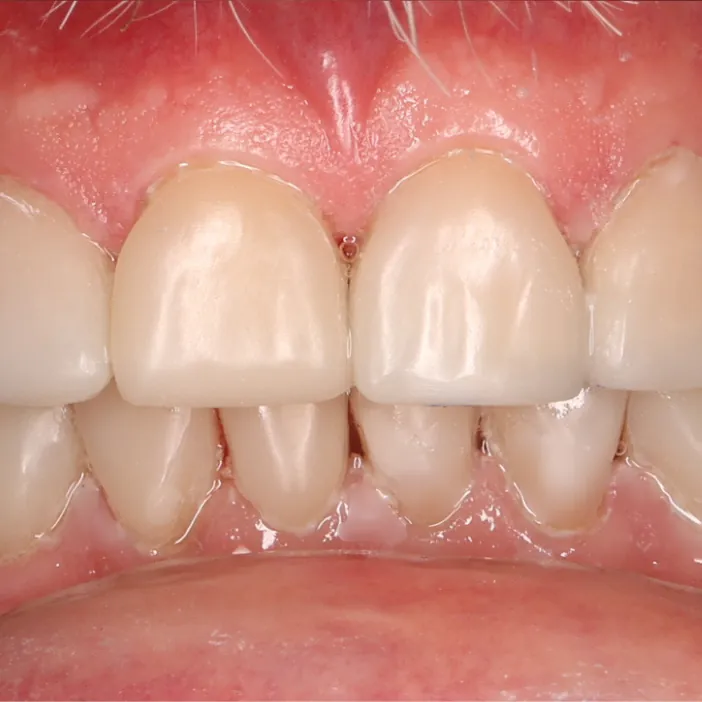
What is tooth wear?
Tooth wear is the gradual loss of tooth surface. It can leave teeth short, chipped, sharp, sensitive or yellow as the enamel thins.
Some wear is a normal part of ageing. But fast or heavy wear can change how your smile looks, how your bite meets and how strong your teeth are. It is one of our particular interests: Dr Siegfried Aylward manages front tooth wear and complex restorative cases, and Dr Gona Ali also provides tooth wear management.
Treatment always starts by finding the cause, because rebuilding worn teeth without dealing with what wore them down rarely lasts.
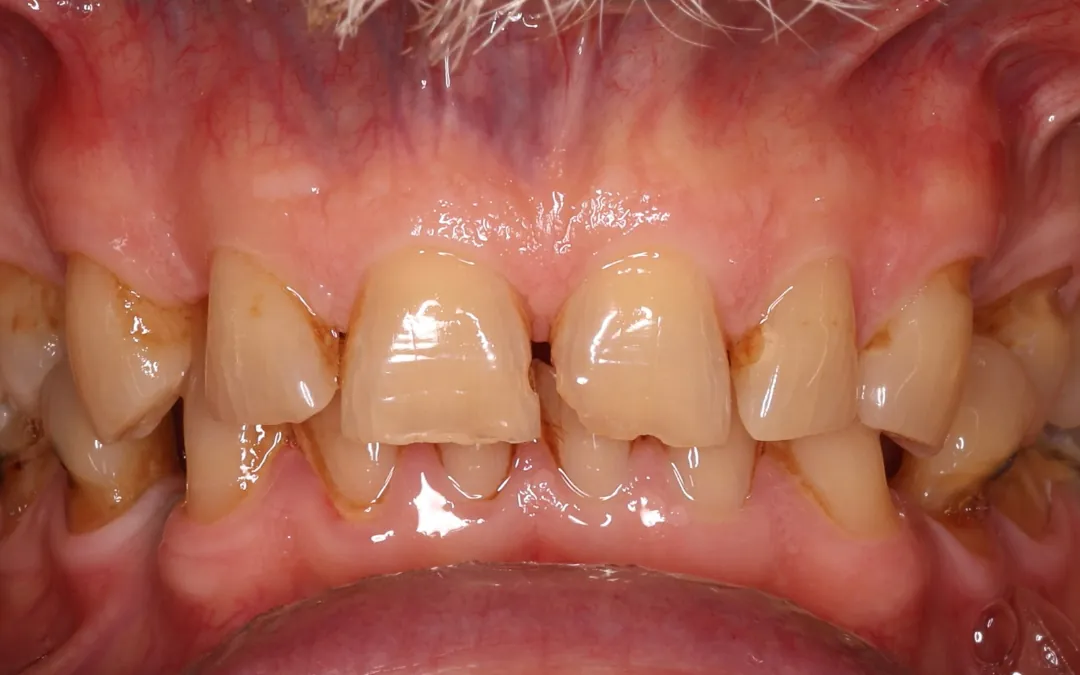
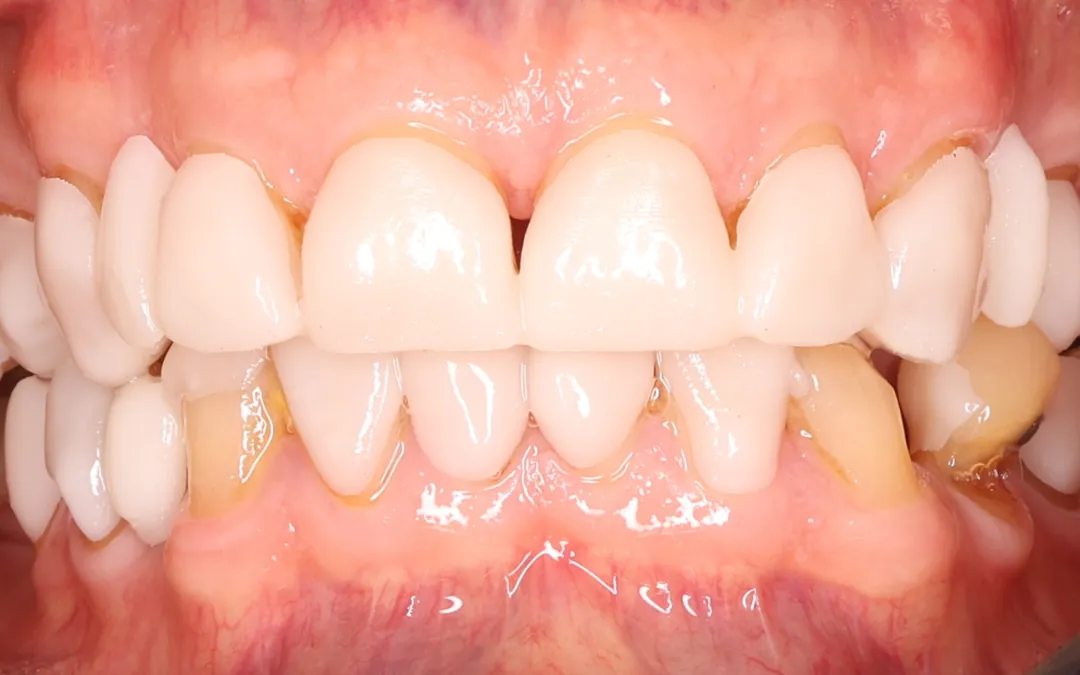
Why teeth wear
Acid dissolving enamel: fizzy and sports drinks, fruit juice, citrus, wine, or acid reflux and sickness.
Tooth grinding on tooth, from clenching or grinding, often at night or when stressed.
Wear from outside forces: brushing too hard, abrasive toothpaste, or habits like nail biting or pen chewing.
Notches at the gum line where teeth flex under heavy biting forces.
If it's left
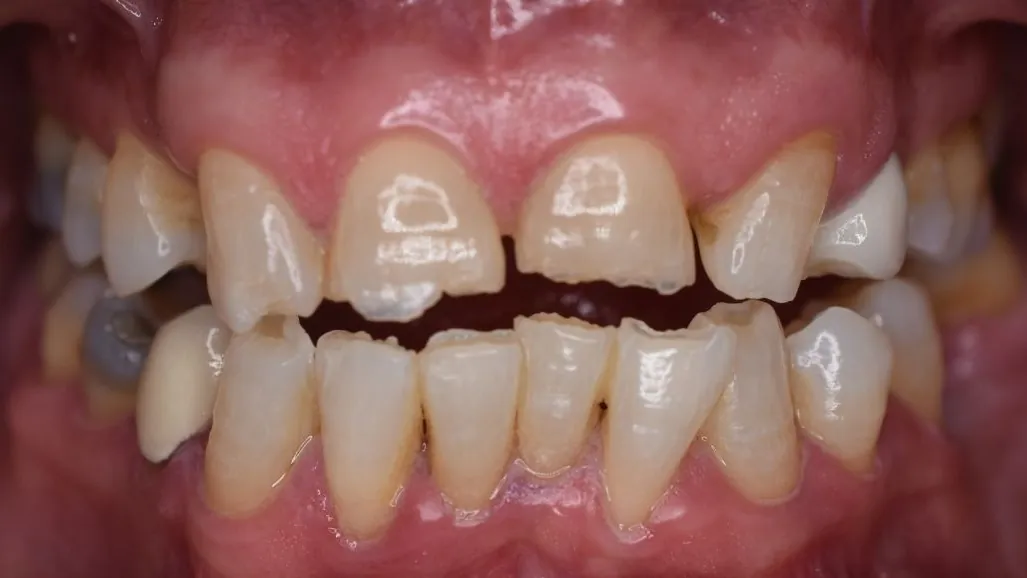
Tooth wear is usually slow, which is why it is easy to miss. Left alone, it can lead to:
The earlier wear is spotted, the simpler, cheaper and more conservative the treatment.

How it works
01
We examine your teeth, bite and jaw, take photos and scans, and find out what is causing the wear.
02
Advice to slow erosion, and a hard night guard made in-house if you grind or clench.
03
A digital wax-up shows how your teeth could be rebuilt, which you can try as a printed trial smile.
04
Bonding, 3D printed veneers, overlays or crowns, often using the Dahl approach to make space.
Treatment options
Most people need a combination. We choose the most conservative option that will last for your bite.
| Protect and monitor | Composite bondingOften the first step | 3D printed veneers & overlays | Ceramic overlays & crowns | |
|---|---|---|---|---|
| What it is | Diet advice, a hard night guard and regular photos and scans to track the wear | Tooth-coloured composite added to rebuild worn edges, often with the Dahl approach | Ultra-thin printed restorations, 0.1 to 0.15 mm, designed from your scan | E.max ceramic or gold restorations made in a lab |
| Best for | Early wear, or alongside any treatment | Front teeth with mild to moderate wear | Moderate to severe wear, opening a collapsed bite | Heavy wear and high biting forces, especially back teeth |
| Drilling | None | None | Little or none | Some |
| How long it lasts | Ongoing | Around 5 years before maintenance | 7 years or more expected; newer material | 10–15 years or more |
| If it chips | Not applicable | Usually repairable in one visit | Usually repairable | Usually replaced |
| Investment | More affordable | More affordable | Higher investment | Highest investment |
Protect and monitor
Composite bonding
Often the first step
3D printed veneers & overlays
Ceramic overlays & crowns
Complex cases also need thin palatal backings on the inside of the upper front teeth, a wax-up and smile trial and a diagnostic smile assessment, with a free hard night guard to protect the result. The smile cost estimator includes these, and our fees page lists current prices.
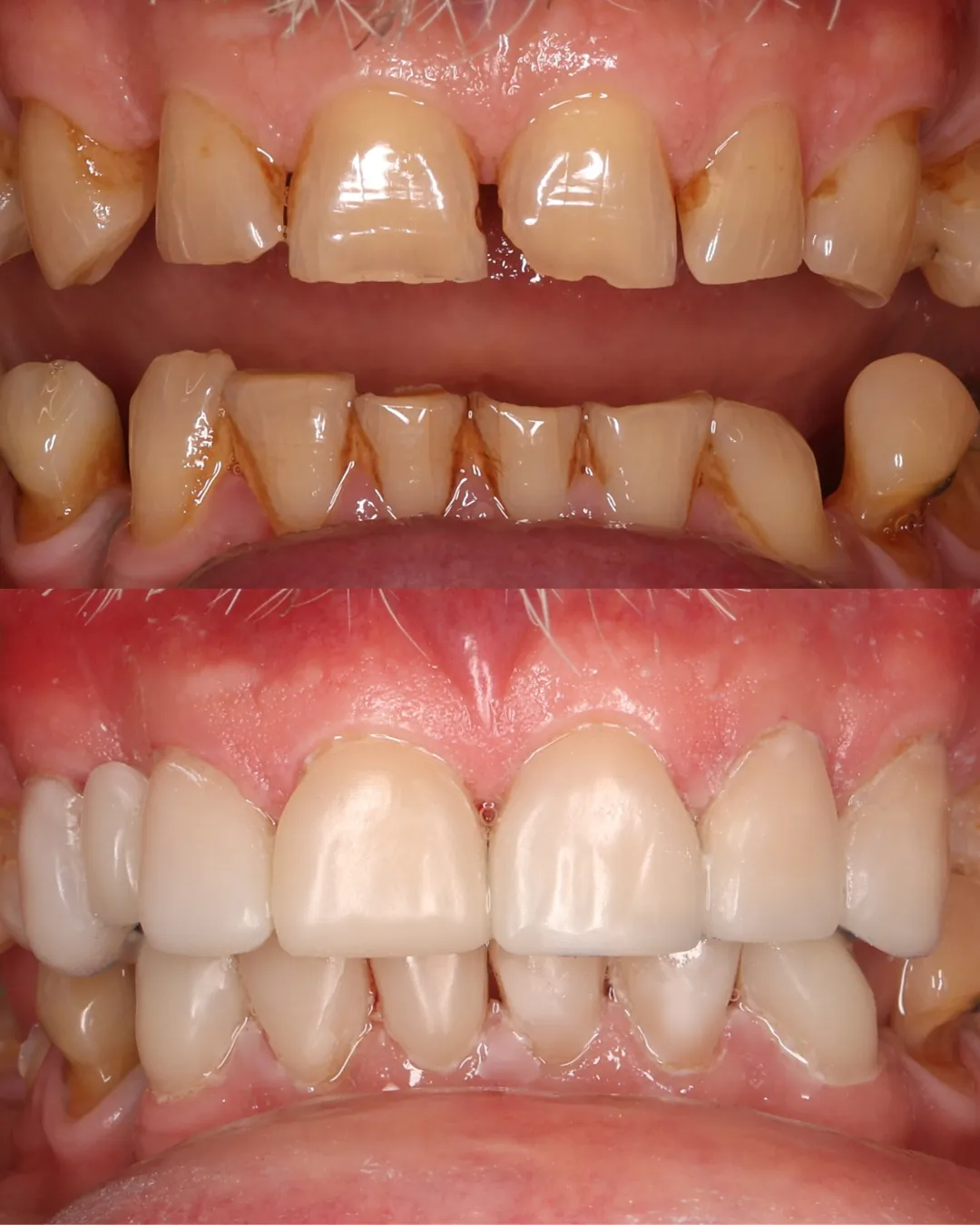
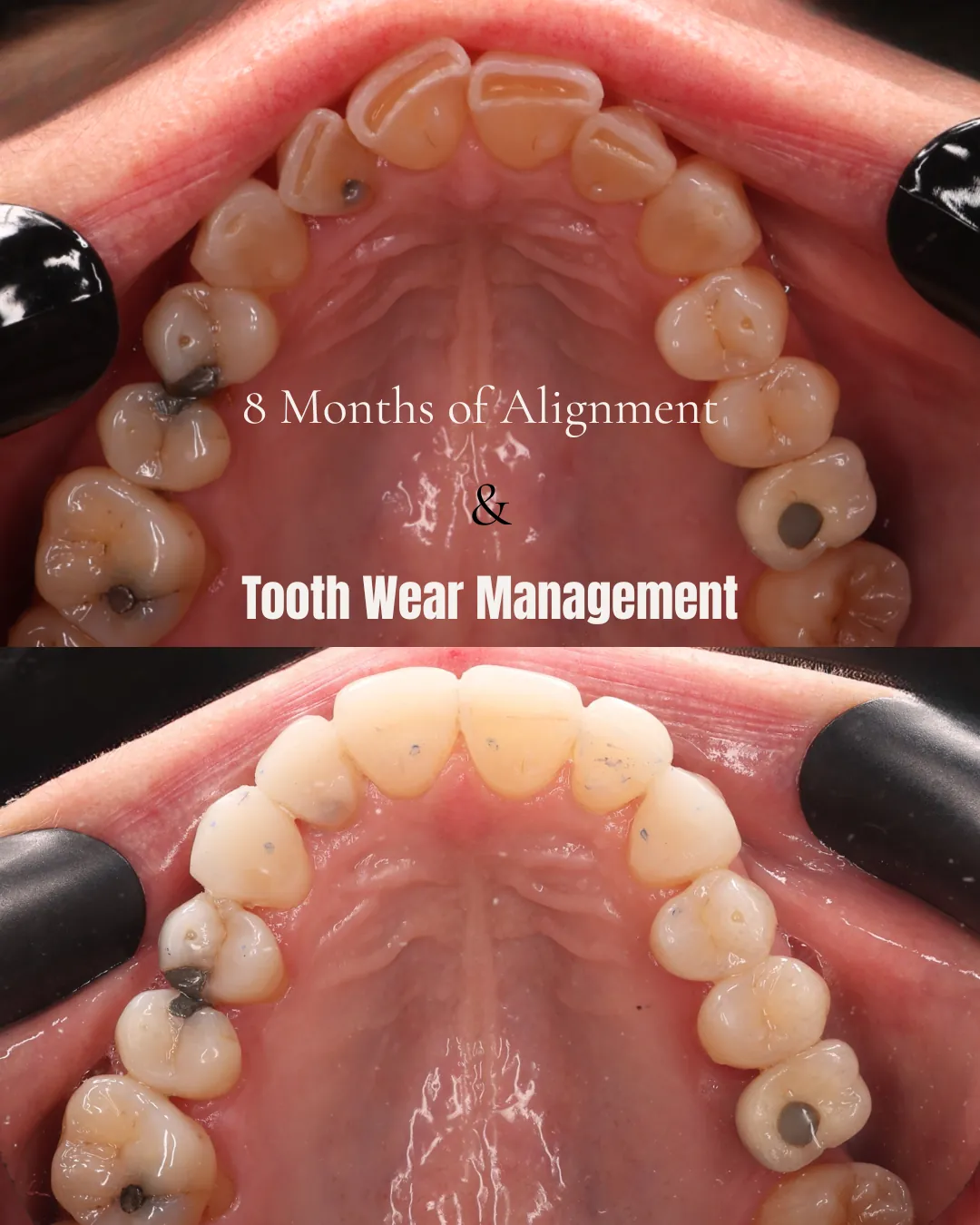
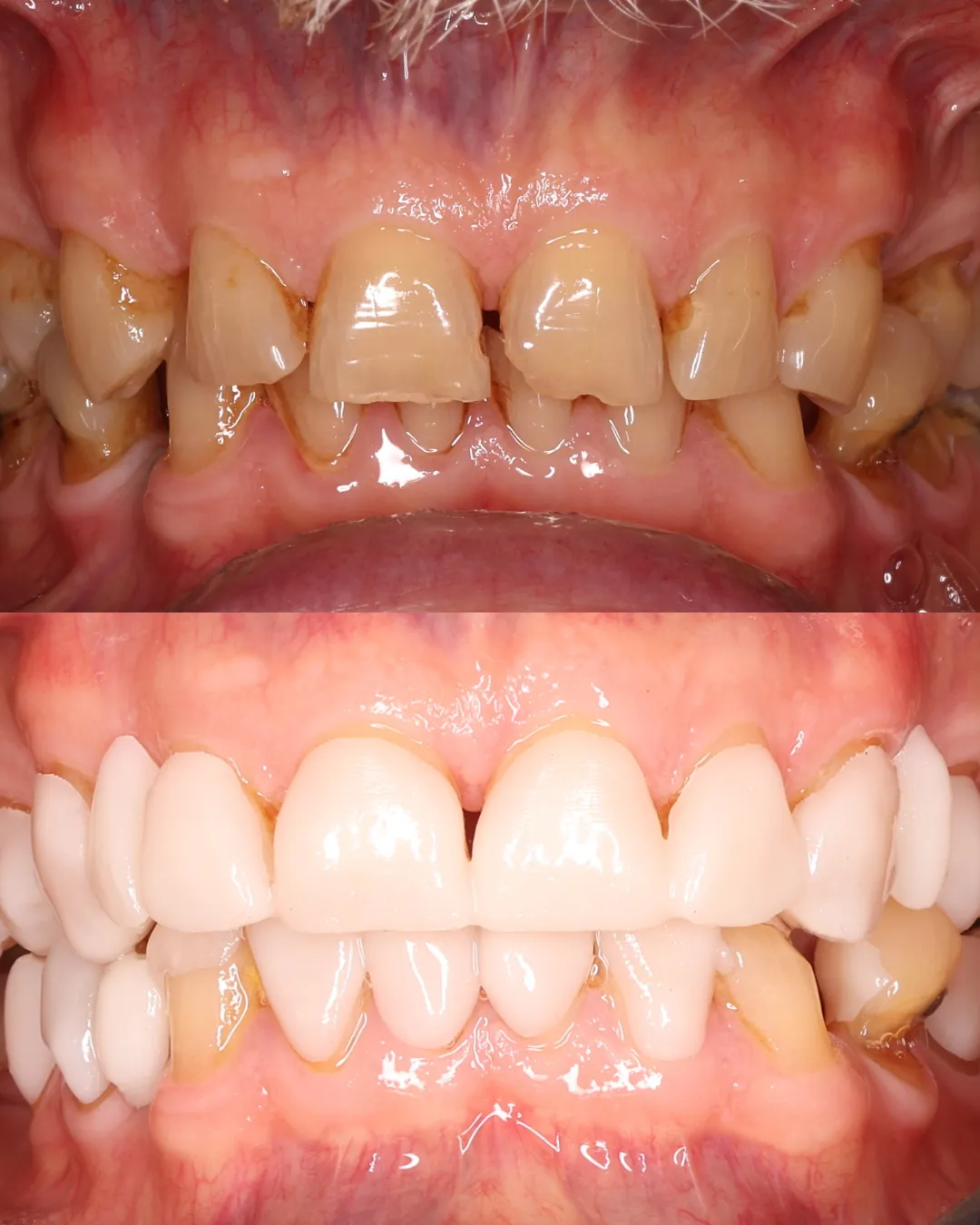
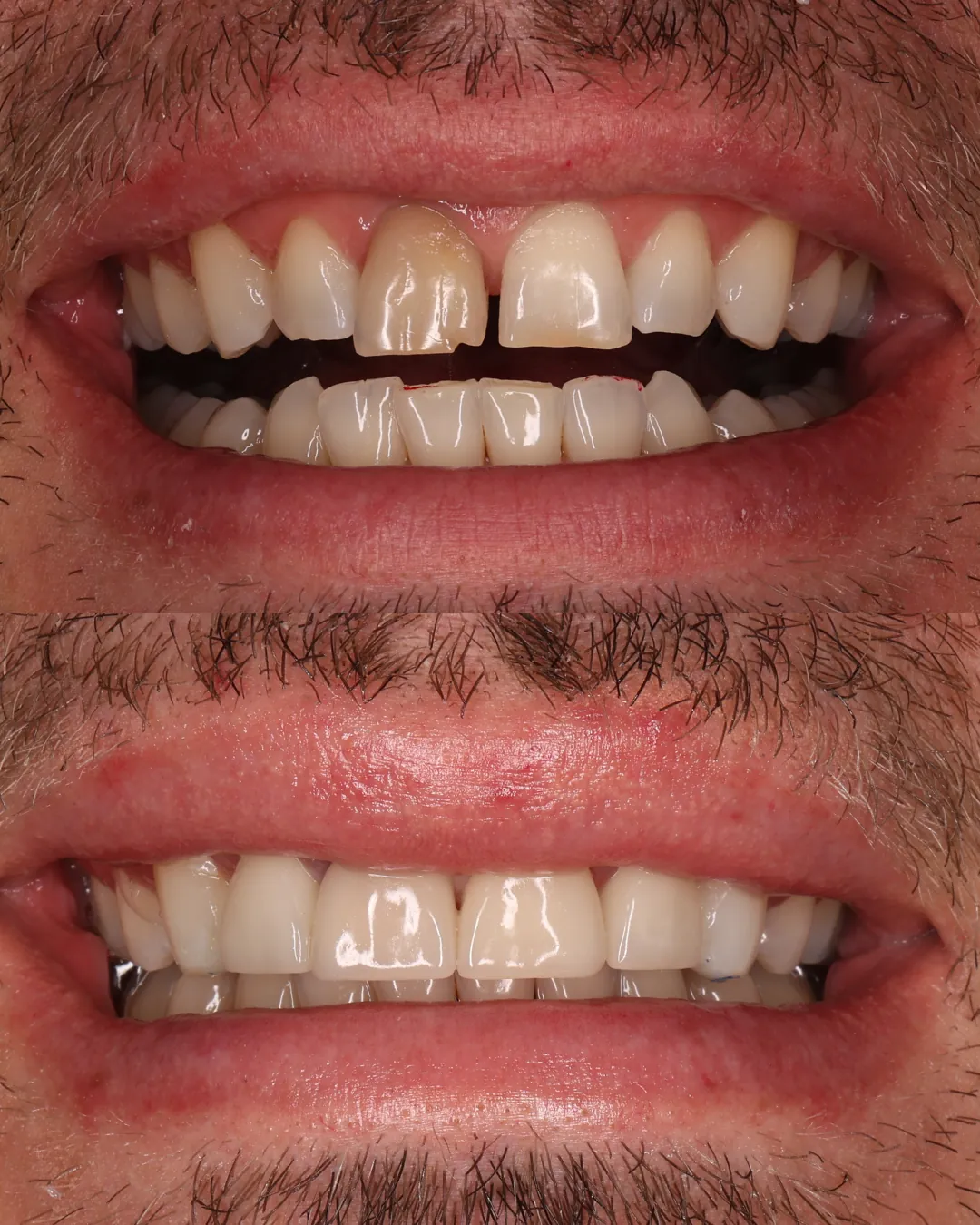
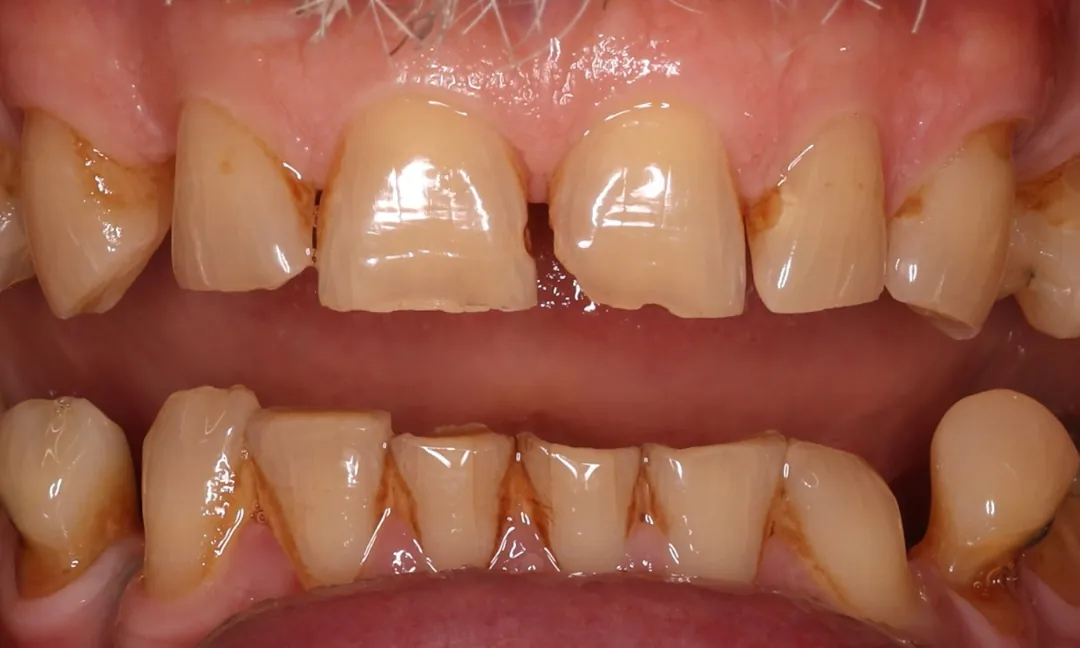
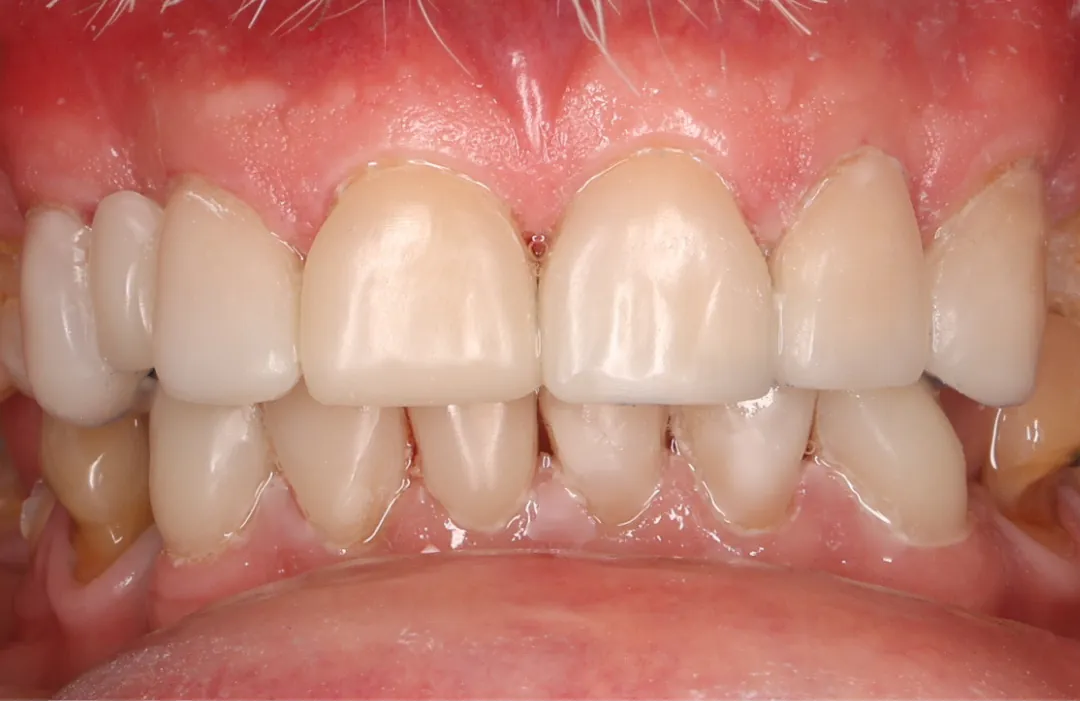
Photographs of our own patients, shown with their permission. Every result is different.
We accept tooth wear referrals from other practices, and manage both front and back tooth wear using the Dahl approach, facebows, Michigan-style splints and direct or indirect restorations. See our information for referring dentists.
Prices
All our prices are kept in one place, on our fees page, so they are always up to date. Your written treatment plan confirms every fee before anything begins, and 0% finance over 12 months is available on qualifying treatment, subject to status.
Cost estimator
Our cost estimators show an indicative price and a monthly figure with 0% finance.
Questions
Some wear is normal with age, but fast or heavy wear can make teeth short, sensitive or weak. The earlier it is managed, the simpler the treatment.
Usually a mix of erosion (acid from food, drink or reflux), attrition (grinding and clenching), abrasion (brushing too hard or habits) and abfraction (flexing at the gum line). Finding the cause is the first step.
A well-established technique where composite is added to worn front teeth to rebuild them, and the bite adapts over the following months. It avoids drilling healthy tooth.
Yes. We design the new shape digitally and print a trial smile that clips over your own teeth, so you can see and feel it before anything is permanent.
If grinding or clenching is part of the cause, a hard night guard protects your teeth and any new restorations. We make ours in-house.
Related treatments
Tooth wear is our special interest
Book online any time, or call and talk it through with our reception team.